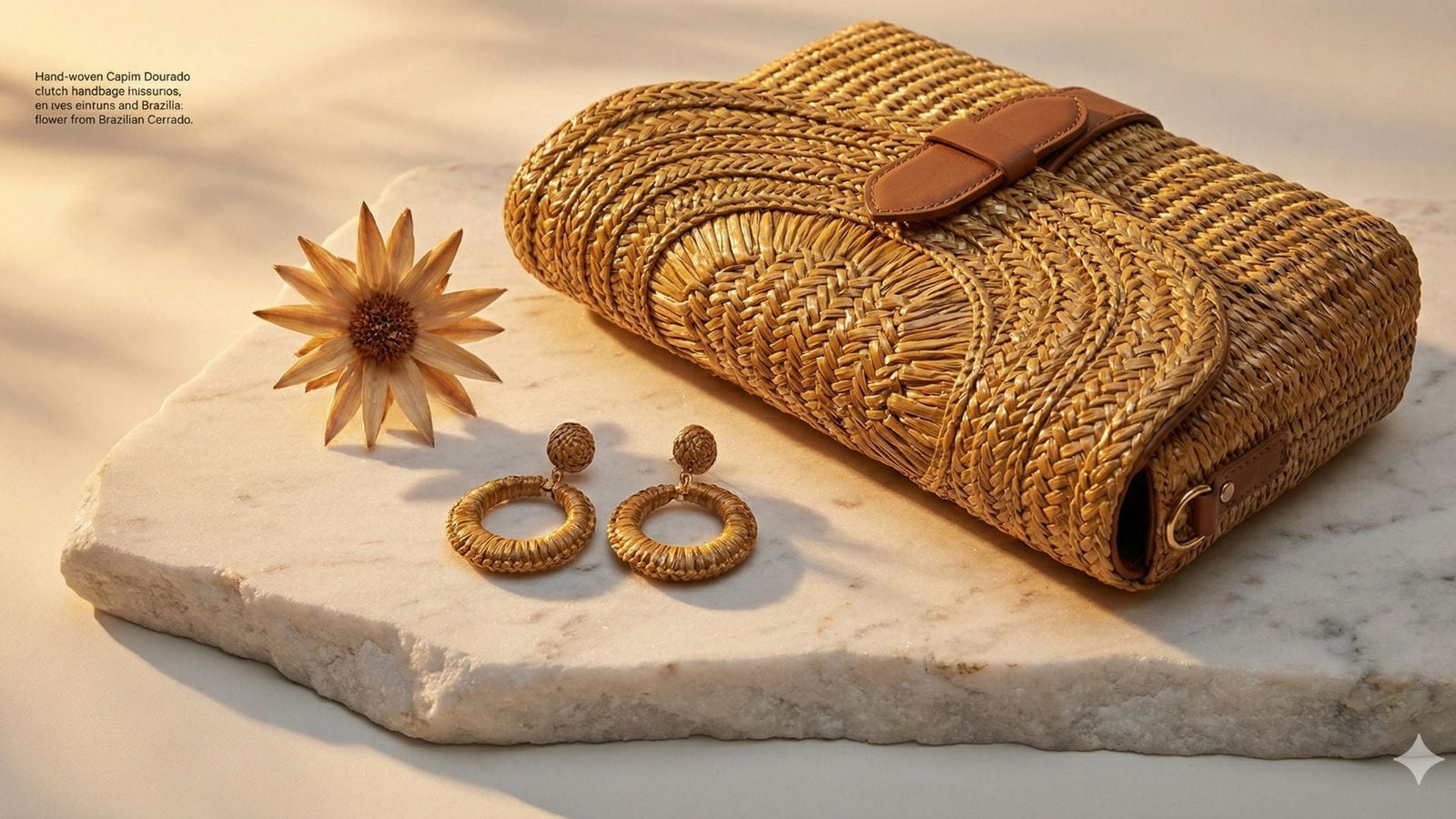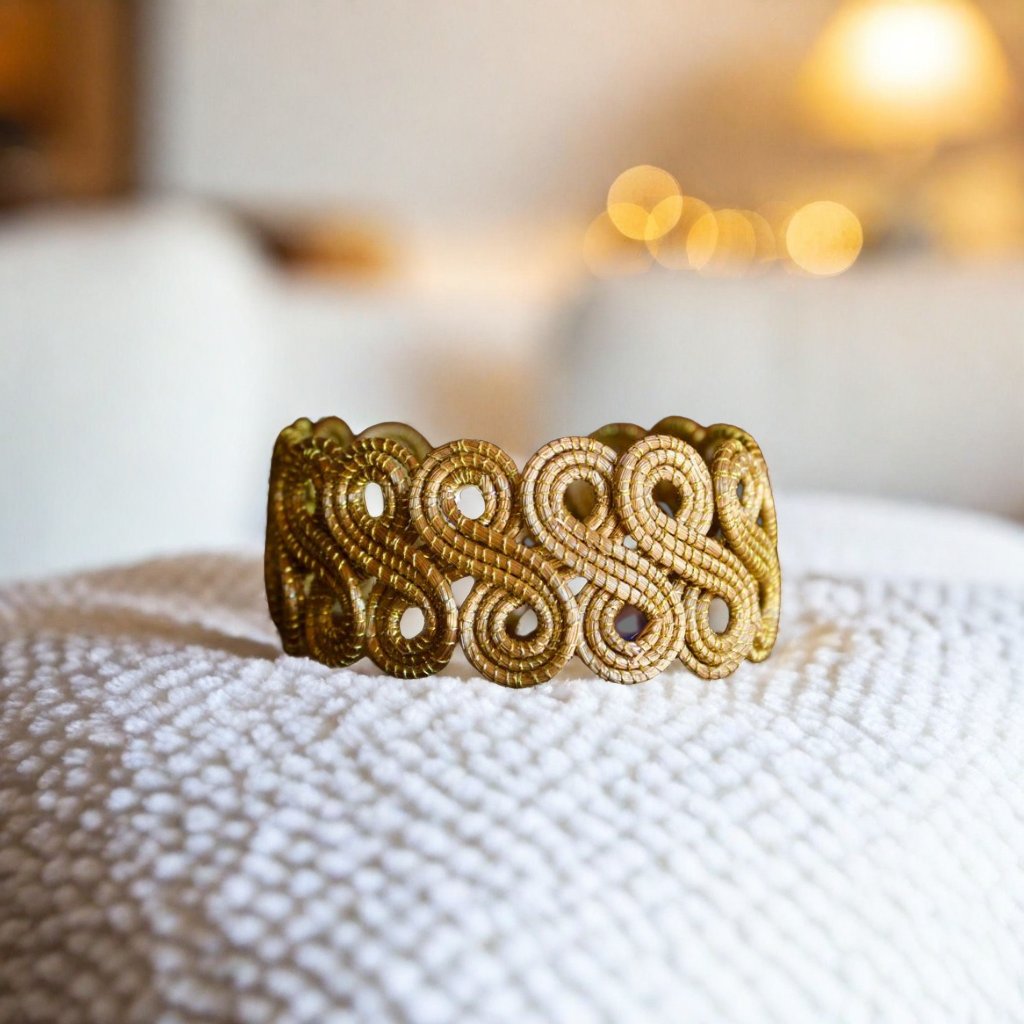

Golden grass jewelry handcrafted by Quilombo Mumbuca artisans in Jalapão, Tocantins, Brazil
Imagine traveling six hours through Brazil's remote Cerrado savanna, navigating sandy tracks in a Jeep, until you reach a community where the grass literally glitters like gold. This isn't a fairy tale—it's the real story behind one of the world's most sustainable and culturally significant jewelry materials. In the heart of Jalapão, Tocantins, the descendants of freed enslaved people have transformed a humble plant into shimmering works of art that are capturing the attention of conscious consumers worldwide.
If you've been searching for sustainable jewelry that goes beyond greenwashing, or fair trade accessories with a genuine story, you've found something extraordinary. Golden grass jewelry—or capim dourado as it's known in Portuguese—represents the convergence of environmental responsibility, cultural preservation, and breathtaking natural beauty. Each piece you wear carries with it the warmth of the Brazilian sun, the skill of artisan hands, and a legacy of resilience spanning more than 200 years.
In this comprehensive guide, you'll discover what makes golden grass jewelry so special, meet the remarkable community behind its creation, understand why it's one of the most sustainable materials on Earth, and learn how your purchase becomes an act of cultural preservation and economic empowerment.
What is Golden Grass? The Natural Wonder of Jalapão
Golden grass is neither gold nor technically a grass. It's Syngonanthus nitens, a species from the Eriocaulaceae family—a type of "sempre-viva" or everlasting flower native exclusively to the Jalapão region of Brazil's Tocantins state. This botanical marvel is what makes Brazilian golden grass jewelry impossible to replicate anywhere else on Earth.
The Plant That Shines Like Precious Metal
For most of the year, golden grass hides modestly beneath taller vegetation, appearing as unassuming rosettes of leaves. But come July, during the Cerrado spring, something magical happens. The plant sends up slender flower stalks—called scapes—that can reach up to two feet in height, each crowned with a small white flower. As these stalks mature and dry under the intense Brazilian sun, they develop an extraordinary metallic golden sheen that looks almost supernatural.
This luminous quality isn't the result of any treatment or dye. The secret lies in the soil itself. Golden grass grows in the humid, sandy soils of the Campos Limpos Úmidos (wet clean fields) that border palm swamps called veredas. These soils are naturally rich in aluminum, and the plant's surface flavonoids absorb these minerals, creating that distinctive color and high antioxidant capacity. When the stalks dry, they harden and develop a brilliant shine, glinting like spun gold among the other grasses—a sight that continues to mesmerize both artisans and visitors.
The Jalapão Oasis: Where Golden Grass Grows
To understand golden grass is to understand Jalapão itself. This remote region is one of Brazil's most spectacular and least-visited natural wonders. The Jalapão State Park, covering approximately 159,000 hectares, is the heart of a larger conservation mosaic protecting nearly three million hectares of the Cerrado—the most biodiverse savanna on the planet.
The landscape is a breathtaking mix of contrasts: vast golden sand dunes rising 40 meters high, powerful waterfalls plunging into emerald pools, and the famous fervedouros—natural "boiling springs" where underground aquifers push up through sandy bottoms with such force that swimmers float effortlessly, unable to sink. This isolated ecosystem, accessible only by 4x4 vehicles on challenging sandy roads, has remained remarkably pristine precisely because of its remoteness.
It's in this protected wilderness that golden grass thrives, growing in specific micro-environments where the conditions are just right. The plant's exclusivity to this single region makes every piece of goldengrass jewelry truly irreplaceable—a wearable piece of one of the world's most unique ecosystems.
The Quilombo Mumbuca: Keepers of a Golden Legacy
The story of golden grass craftsmanship cannot be separated from the story of the people who perfected it. The Quilombo Mumbuca is not just a source of beautiful artisan jewelry—it is a living testament to resilience, cultural preservation, and the transformative power of traditional knowledge.
From Refuge to Renaissance
Quilombos are communities founded by descendants of enslaved Afro-Brazilians who escaped bondage and established autonomous settlements. The Mumbuca community traces its origins to the late 19th and early 20th centuries, when people fleeing slavery in the southern region of Bahia found refuge in the then-isolated lands of Jalapão. The name "Mumbuca" itself comes from an indigenous term for a species of blue bee, reflecting the community's blended African and indigenous heritage.
For generations, the people of Mumbuca lived through subsistence farming and close connection to the land, their culture shaped by both their African roots and interactions with indigenous Xerente people. It was this cultural exchange that would eventually give birth to one of Brazil's most celebrated handicraft traditions.
Dona Laurina's Innovation: When Love Sparked an Art Form
The transformation of golden grass from a utilitarian plant into an art form is lovingly attributed to a matriarch named Dona Laurina Ribeiro Matos. In the early 20th century, while walking through the fields, she was struck by the shining quality of the plant, which locals had primarily used for making rope for hammocks. But Dona Laurina saw something more.
In what would become the genesis of an entire industry, she wove the very first golden grass hat—a gift of love for her husband to shield him from the intense sun during his work in the fields. This simple, practical act of care would ripple through generations and transform the economic future of the entire region.
The knowledge was passed to her daughter, Guilhermina Ribeiro Matos, known affectionately as Dona Miúda. By the 1990s, Dona Miúda had become a pivotal figure, popularizing the craft and teaching intricate weaving techniques to countless women in the community. Her daughter, Noeme Ribeiro da Silva, known as "Dotora," recalls learning the craft from her mother at age 12—a skill that would provide economic security throughout her life.
Today, artisan Nubia Matos da Silva, the great-granddaughter of Dona Laurina, continues this legacy. When she weaves golden grass bracelets or tiaras, she's not just creating a product—she's honoring a heritage and ensuring that her great-grandmother's innovation continues to provide dignity and income to her community.
Women's Empowerment Through Craft
One of the most powerful aspects of the golden grass tradition is how it has become a vehicle for women's economic empowerment. Artisan associations like the Mumbuca Village Craftspeople and Extractivists' Association are composed predominantly of women, who receive the vast majority of revenue from their sales.
Laudeci Ribeiro Monteiro, director of another local association, recalls weaving her first pieces as a ten-year-old to earn enough money to buy her own hammock—a purchase that felt like "a new lease on life." Today, this craft allows women to support their families, build homes, purchase necessities, and maintain financial independence. When you purchase golden grass products, you're directly supporting this economic autonomy and helping preserve not just a craft, but a pathway to dignity and self-determination for women in one of Brazil's most remote regions.
How Golden Grass Jewelry is Made: Tradition Meets Sustainability
The creation of golden grass jewelry is a meticulous process governed by both deep tradition and strict environmental regulations. Understanding this process reveals why these pieces are among the most sustainable jewelry options available today.
The Sacred Harvest Season
Unlike mass-produced jewelry materials, golden grass can only be harvested during a specific window each year: September 20 to November 20. This timing is not arbitrary—it's carefully calculated to allow the plant to fully mature, disperse its seeds, and ensure regeneration for the following year. Harvesting outside this window is prohibited by law, making golden grass one of the most carefully regulated natural materials in Brazil.
Licensed artisans venture into the veredas to hand-pick the golden stalks, but the harvest comes with a sacred responsibility: "giving back the flowers." After cutting the stalks, harvesters are required to cut off the small flowerheads and scatter them across the wet fields, returning the seeds to the soil. As artisan Taiane Ribeiro Tavares, a descendant of Dona Laurina, explains: "It's the way we can give back to nature and that nature can keep developing for us."
This act of reciprocity—this understanding that taking from nature requires giving back—is fundamental to the community's relationship with the land and is a key reason why golden grass remains abundant despite decades of harvesting.
The Art of Traditional Weaving
Once harvested, the stalks are dried in the shade, sorted by size and quality, and prepared for weaving. The true artistry begins here, in a process that has remained virtually unchanged for over a century.
Golden grass artisans do not use glue or modern adhesives. Instead, they employ a traditional technique of sewing the stems together using thread made from the silky, durable fibers of buriti (moriche palm) leaves. Creating this thread is itself a painstaking process that cannot be done during the heat of the day, as the fiber would dry out and break. The patience required is remarkable—but it's this commitment to traditional methods that gives each piece its exceptional quality and longevity.
Using the buriti thread, artisans carefully wrap and stitch the golden stalks, creating intricate patterns and shaping them into diverse forms. What began as simple utilitarian items has evolved into a stunning collection that includes:
- Fashion jewelry—delicate bracelets like the Golden Bloom and statement pieces like the Sun Swirl Bracelet
- Hair accessories—elegant tiaras such as the Golden Halo, perfect for festivals, weddings, or everyday boho elegance
- Functional home goods—baskets like the Zig Zag and Harvest Handle Basket
- Lighting fixtures—luminaires such as the Aurora Lux, which creates enchanting patterns of light and shadow
- Wall art—spectacular pieces like the Babassu Mandala, which can reach 50-60cm in diameter
The natural golden color requires no dyes, chemicals, or polishing. Its brilliance is entirely nature's gift, enhanced only by the artisan's skill.
Featured Artisan Creation: Aurora Lux Luminaire
The Aurora Lux exemplifies the versatility of golden grass. Standing 15cm tall with an 8cm base, this handwoven luminaire transforms any space with its soft, warm glow. When lit, the tightly woven golden grass creates intricate patterns of light and shadow on surrounding walls, turning a simple lamp into an ever-changing work of art. It's a perfect example of how traditional techniques meet contemporary design sensibilities.
Legal Protection and Fair Trade
To protect this unique cultural and economic resource, a comprehensive legal framework has been established. Beyond the strict harvest season, a state law prohibits the export of raw golden grass from the region. Only finished handicrafts or components for crafts can be sold outside of Jalapão. This ensures that the value-added process of creation remains within the community, preventing large companies from buying up raw material and outsourcing labor.
In 2011, this protection was strengthened when the Jalapão region received a Geographical Indication (GI) seal from Brazil's National Industrial Property Institute. Similar to how Champagne can only come from its specific region in France, this seal grants Jalapão artisans exclusive rights to products marketed as "capim dourado from the Jalapão region."
When you purchase from Mumbuca.com—the only official licensed seller globally—you're guaranteed authentic products that meet these protected standards and ensure fair trade practices benefit the artisans directly.
Why Choose Golden Grass Jewelry: Benefits Beyond Beauty
The appeal of golden grass jewelry extends far beyond its stunning appearance. Here's why conscious consumers are choosing these pieces over conventional jewelry:
1. Unparalleled Sustainability
In an industry plagued by environmental destruction, golden grass stands apart:
- Zero mining impact—No destructive extraction or toxic processing chemicals
- 100% biodegradable—Every component returns to the earth naturally
- Renewable resource—The plant regenerates annually with proper seed dispersal
- Protected ecosystem—Harvesting practices are regulated to maintain ecological balance
- Carbon-neutral shipping—Mumbuca offsets the carbon footprint of delivery
- No water pollution—Unlike gold mining, which generates toxic runoff
Research shows that 73% of Millennials are willing to pay more for sustainable products. Golden grass jewelry delivers on this value without compromise.
2. Hypoallergenic and Safe for Sensitive Skin
If you've struggled with metal allergies or skin sensitivity, golden grass jewelry is a revelation:
- 100% plant-based with zero metallic components
- No nickel, lead, or common jewelry allergens
- Natural buriti palm thread is gentle and non-irritating
- No chemical treatments or synthetic coatings
- Breathable material that doesn't trap moisture
This makes golden grass bracelets and accessories ideal for anyone who typically can't wear conventional jewelry comfortably.
3. Featherlight Comfort
One of the most surprising qualities of golden grass jewelry is how incredibly lightweight it is. A golden grass tiara weighs almost nothing, allowing you to wear it comfortably all day at festivals, weddings, or special events without the headache or discomfort of heavier headpieces. Bracelets feel like a second skin, and even larger pieces like handbags are remarkably easy to carry.
4. True One-of-a-Kind Pieces
Every piece of golden grass jewelry is genuinely unique. The natural variations in the grass stems, the individual artisan's weaving style, and the handcrafted nature of production mean that no two pieces are exactly alike. When you wear golden grass jewelry, you're wearing something that exists nowhere else on Earth—a far cry from mass-produced fashion jewelry.
5. Direct Community Impact
Perhaps most importantly, your purchase makes a tangible difference. Golden grass crafts are the primary economic engine for the Jalapão region, providing vital income for hundreds of families. For the women of Mumbuca, this craft represents financial independence, the ability to support their families, and the preservation of their cultural identity. Your golden grass jewelry purchase doesn't just decorate—it empowers.
Shop Golden Grass Jewelry with Purpose
Discover our complete collection of handwoven golden grass jewelry, from delicate bracelets to statement tiaras. Each purchase supports artisan families and preserves 200 years of cultural heritage.
Explore the CollectionStyling Golden Grass: From Bohemian Casual to Wedding Elegance
One of the joys of golden grass jewelry is its remarkable versatility. The natural golden hue complements virtually every skin tone and coordinates beautifully with both warm and cool color palettes.
Everyday Boho Chic
For casual, everyday wear, golden grass bracelets add an effortless touch of natural elegance. Stack multiple Golden Bloom bracelets for a layered bohemian look, or wear a single Sun Swirl Bracelet as a minimalist statement. The lightweight comfort means you can wear them all day, from yoga class to coffee with friends.
Pair with flowing cotton dresses, denim, or linen separates for a relaxed, earthy aesthetic that speaks to your values as much as your style.
Festival and Concert Style
Golden grass accessories have become festival favorites for good reason. A Golden Halo Tiara instantly elevates any festival outfit, catching the light as you dance and serving as an unforgettable conversation starter. Unlike metal headpieces that can become uncomfortable after hours of wear, golden grass tiaras remain featherlight and comfortable from first set to final encore.
Combine with natural fabrics, earthy tones, and other sustainable accessories to create a look that's both stunning and aligned with the environmental consciousness of many music festivals today.
Wedding and Special Occasions
For brides seeking sustainable wedding accessories or guests wanting something special, golden grass offers unique options. The natural golden shimmer photographs beautifully, and the organic aesthetic complements outdoor, boho, or eco-conscious wedding themes perfectly.
A golden grass tiara makes a stunning alternative to traditional veils or metal crowns, particularly for beach or garden ceremonies. Bridesmaids can wear matching golden grass bracelets as a meaningful, sustainable favor they'll actually want to keep and wear again.
Office and Professional Settings
Don't underestimate the versatility of these pieces in professional environments. The sophisticated golden sheen reads as refined and elegant, not overly casual. A simple golden grass bracelet or a pair of earrings adds a distinctive touch to business attire while subtly communicating your values of sustainability and ethical consumption.
Beyond Jewelry: Golden Grass for Your Home
While golden grass jewelry may be what first captures attention, the material's versatility extends beautifully into home decor, offering sustainable alternatives to mass-produced furnishings.
Illuminating Spaces: Golden Grass Luminaires
The golden grass luminaire collection transforms ordinary lighting into art. The Aurora Lux, for example, creates a soft, warm ambient glow that's perfect for living rooms, bedrooms, or creating a cozy reading nook. The handwoven structure filters light through its intricate patterns, casting ever-changing shadows that dance across walls as the day progresses.
These pieces are particularly popular among interior design enthusiasts who appreciate natural textures, sustainable materials, and the story behind each object in their home.
Functional Art: Baskets and Storage Solutions
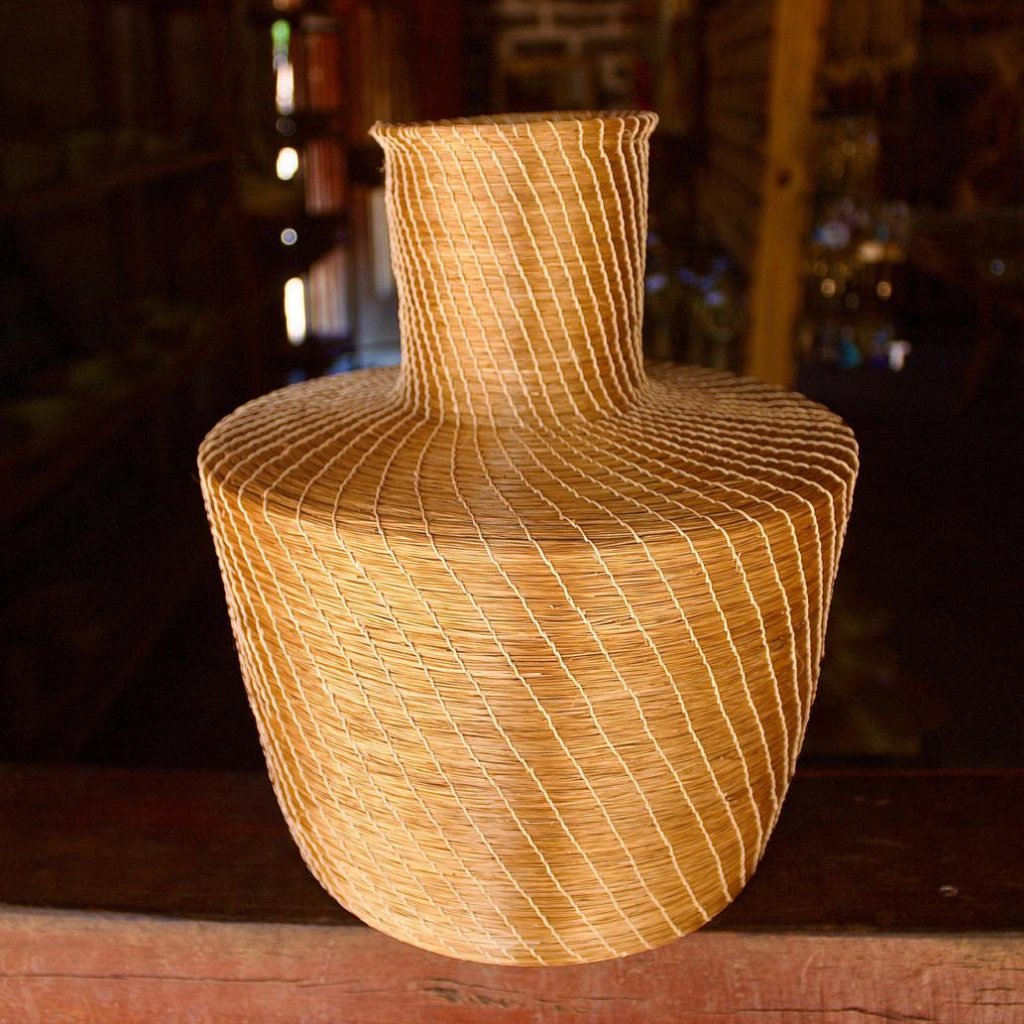
The handwoven basket collection offers a perfect marriage of beauty and utility. The Zig Zag Basket makes an eye-catching fruit bowl or bread basket on dining tables, while the Harvest Handle Basket is ideal for gathering fresh produce from farmers markets or organizing craft supplies.
Because golden grass is naturally sturdy and biodegradable, these baskets offer guilt-free organization—when they eventually wear out (though they're remarkably durable), they'll return to the earth without leaving toxic residue.
Statement Wall Art: The Babassu Mandala
For those seeking truly unique wall decor, the Babassu Mandala is a showstopper. Measuring 50-60cm in diameter, this handwoven masterpiece combines sustainability, symbolism, and artisan tradition into a single striking piece.
Inspired by the annual Golden Grass Festival, the circular weave represents balance and unity—concepts deeply rooted in both African and indigenous Brazilian spiritual traditions. It brings a sense of peace and intention to any space, whether that's a modern minimalist apartment, a bohemian studio, or a nature-inspired living room.
Transform Your Space with Sustainable Decor
Explore the full range of golden grass home decor including vases, baskets, luminaires, and wall art. Each piece is handcrafted with the same care and traditional techniques as our jewelry, bringing the warmth of Brazilian artisan culture into your home.
Your Purchase Makes a Difference: The Ripple Effect of Conscious Consumption
When you choose golden grass jewelry from Mumbuca.com, you're not just acquiring a beautiful accessory—you're participating in a model of ethical consumption that creates positive ripples far beyond the transaction.
Direct Artisan Support
Every purchase puts money directly into the hands of artisan families in one of Brazil's most remote regions. For many of these families, golden grass crafts represent their primary source of income. This isn't a side project or supplemental income—it's how they feed their children, maintain their homes, and invest in their futures.
As the only official licensed seller globally, Mumbuca.com maintains a direct partnership with the Quilombo Mumbuca community, ensuring fair compensation and ethical business practices. There are no middlemen diluting the economic impact—your purchase creates immediate, measurable benefit for the artisans who created it.
Cultural Preservation
Traditional handicrafts around the world are disappearing as younger generations migrate to cities seeking economic opportunities. By creating viable income through fair trade partnerships, golden grass crafts give young people in the Mumbuca community a reason to stay, learn the traditional techniques, and carry forward their cultural heritage.
Artisans like Nubia Matos da Silva—great-granddaughter of Dona Laurina—are now teaching the next generation, ensuring that this 200-year-old tradition continues. Your purchase is an investment in cultural continuity, helping preserve knowledge, techniques, and traditions that might otherwise be lost to time.
Environmental Conservation
The economic value of golden grass creates a powerful incentive for environmental conservation. When local communities can earn sustainable income from a natural resource, they become its fiercest protectors. The people of Mumbuca and surrounding communities actively work to preserve the veredas and campos limpos úmidos where golden grass grows, understanding that their livelihoods depend on the health of these ecosystems.
This stands in stark contrast to extractive industries that destroy habitats for short-term profit. Golden grass harvesting demonstrates that economic development and environmental conservation can not only coexist—they can reinforce each other.
Women's Economic Empowerment
Perhaps most profoundly, your purchase supports the economic independence and dignity of women in the Jalapão region. In communities that have historically faced marginalization and limited economic opportunities, the golden grass craft has become a path to financial autonomy, respect, and leadership.
Women artisans control their own income, make decisions about their work, and occupy leadership positions in artisan cooperatives. This economic power translates into greater voice in family and community decisions, better educational opportunities for their children, and a model of female empowerment for the next generation.
The Conscious Consumer's Guide: How to Choose Your Golden Grass Jewelry
Ready to add golden grass jewelry to your collection? Here's how to choose pieces that align with your style and values:
Consider Your Lifestyle
If you prefer minimalist, everyday jewelry, start with a simple Golden Bloom Bracelet ($6.77). Its delicate weave makes it perfect for daily wear, and the affordable price point makes it easy to try golden grass for the first time.
For special occasions or if you love statement pieces, consider a Golden Halo Tiara ($13.55) or the more intricate Sun Swirl Bracelet ($10.16).
Think About Versatility
Golden grass's neutral golden tone coordinates with nearly everything in your wardrobe. If you're building a sustainable jewelry collection, pieces like bracelets and simple earrings offer maximum versatility, working equally well with casual jeans or elegant evening wear.
Explore Beyond Jewelry
Don't overlook the home decor options. An Aurora Lux Luminaire ($45.16) makes a unique housewarming gift that tells a story, while a handwoven basket combines beauty with everyday functionality.
For Musicians and Music Lovers
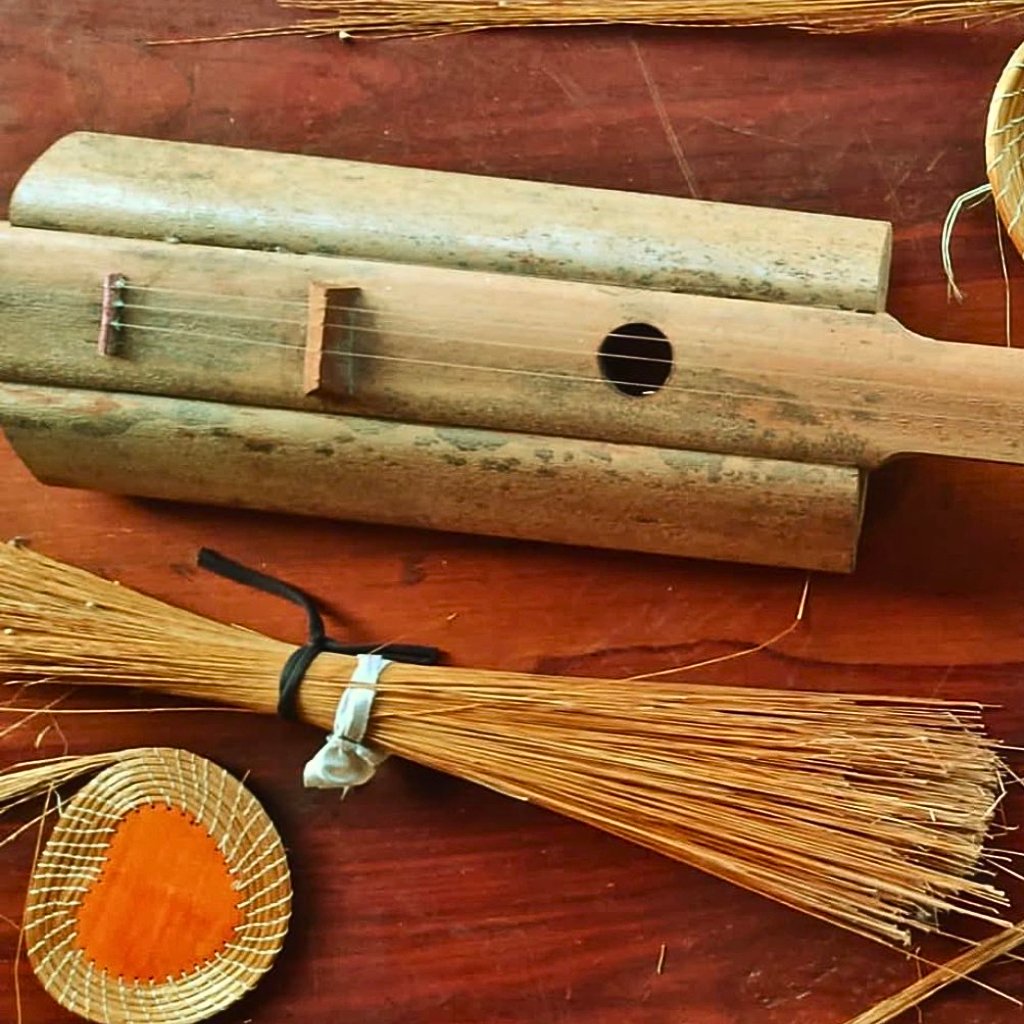
The Buriti Wood Guitar ($112.90) is a unique treasure. This dual-function instrument (ukulele and slide guitar) produces rich, warm tones perfect for folk, blues, and acoustic styles. Made from sustainable buriti wood from the same region, it represents the intersection of musical craftsmanship and environmental responsibility.
Build a Collection Gradually
Start with one or two pieces that speak to you, then build your collection over time. Because each piece is handcrafted and unique, acquiring golden grass jewelry becomes a journey of discovering one-of-a-kind treasures. Browse the complete product collection to see the full range of possibilities.
Caring for Your Golden Grass Jewelry: Ensuring Lasting Beauty
One of the remarkable qualities of golden grass is its durability, but proper care ensures your pieces remain beautiful for years:
Cleaning
- Wipe gently with a soft, dry cloth to remove dust
- For deeper cleaning, use a slightly damp cloth, then air dry completely
- Avoid harsh chemicals, soaps, or cleaning solutions
Storage
- Store in a cool, dry place away from direct sunlight
- Keep jewelry in a soft pouch or box to prevent scratching
- Larger items like baskets can be displayed openly—they're meant to be seen!
Wearing
- While water-resistant, avoid prolonged submersion
- Remove jewelry before swimming or showering
- The flexible nature of golden grass means pieces can withstand normal wear, but avoid excessive bending or pulling
With minimal care, your golden grass jewelry will maintain its luminous color and structural integrity for many years, developing a beautiful patina that tells the story of your journey together.
Frequently Asked Questions About Golden Grass Jewelry
Join the Golden Grass Movement: Wear Your Values
In a world of fast fashion and disposable trends, golden grass jewelry represents something profoundly different. It's a rejection of the extractive, exploitative models that have dominated the jewelry industry for centuries. It's a celebration of cultural heritage, environmental stewardship, and the remarkable creativity of artisan communities.
When you wear a piece of golden grass jewelry, you're making a statement. You're saying that you value people over profit, that you believe sustainability and beauty can coexist, that you care about the stories behind the objects you own. You're wearing not just an accessory, but a conversation starter, a bridge between cultures, and a testament to what's possible when we choose to consume consciously.
The women of Quilombo Mumbuca are waiting to share their craft with you—not as vendors to customers, but as artisans to appreciators, as storytellers to listeners. Every piece they create carries with it the warmth of the Brazilian sun, the resilience of their ancestors, and the hope that their traditions will continue to shine for generations to come.
Your choice to purchase golden grass jewelry is more than a transaction—it's an investment in a better model of commerce, a vote for cultural preservation, and a small but powerful act of solidarity with communities working to build sustainable futures on their own terms.
Discover Your Golden Grass Story
Explore the complete collection of handcrafted golden grass jewelry and home decor. Each purchase supports artisan families, preserves cultural heritage, and brings a piece of Brazil's luminous beauty into your life.
Shop All CollectionsMumbuca.com is the only official licensed seller of authentic golden grass products from Quilombo Mumbuca, Jalapão, Tocantins, Brazil. We ship worldwide with 24/7 customer support. All products are 100% handcrafted, organic, and Fair Trade certified. Learn more about our story and the history of this remarkable tradition.